
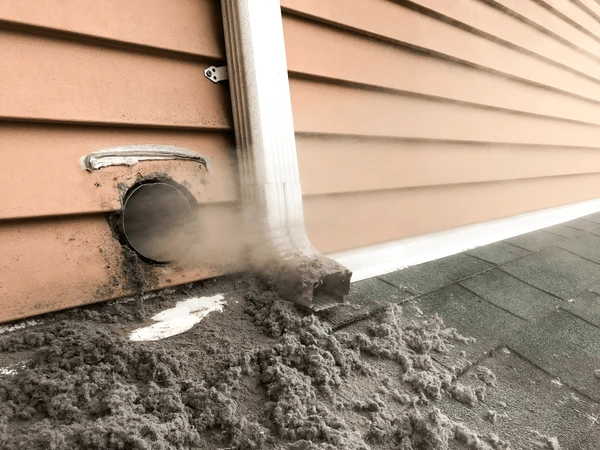
Why Should You Keep Your Dryer Vents Clean? A Complete Guide
We all have household chores that tend to slip through the cracks. Maybe it’s dusting the top of the refrigerator or organizing the junk drawer. But there is one maintenance task that often goes ignored until it becomes a significant problem: checking your dryer vent.
While cleaning the lint trap after every load is a common habit for most people, the vent duct that leads outside is often “out of sight, out of mind.” Unfortunately, neglecting this hidden system can have serious consequences for your home, your wallet, and your health.
In this guide, we will explore the importance of dryer vent cleaning, covering everything from serious safety risks to the financial benefits of regular maintenance.
The Hidden Danger: Understanding Dryer Vent Fire Hazards
The most critical reason to prioritize this task is safety. According to the U.S. Fire Administration, thousands of structural fires in residential buildings each year are caused by clothes dryers. The leading cause of these fires? Failure to clean the machine and its venting system.
How Do Clogs Start Fires?
When you dry your clothes, tiny fibers detach from the fabric. While your lint trap catches much of this, it doesn’t catch everything. Over time, moist lint bypasses the filter and accumulates in the ductwork.
Lint is highly flammable. As it builds up, it restricts airflow. This restriction causes heat to accumulate inside the dryer drum and the vent itself. If the temperature gets high enough, that dry, compacted lint can ignite.
The risks of a clogged dryer vent are not exaggerated. A simple blockage can turn a convenient appliance into a fire hazard. By scheduling regular maintenance, you effectively prevent dryer fires and protect your property from devastating damage.
Money Matters: Reduce Energy Bills with a Clean Dryer Vent
If safety doesn’t motivate you, perhaps savings will. A clean vent is the key to an energy-efficient dryer vent system.
Your dryer works by pushing hot, moist air out of the drum and through the exhaust vent to the outside. When that pathway is blocked by lint, debris, or even bird nests, the dryer has to work much harder to push that air out.
The Cost of Inefficiency
When airflow is restricted, your clothes take longer to dry. You might find yourself running the same load two or even three times to get towels or jeans fully dry. This isn’t just annoying; it’s expensive.
Every extra minute your dryer runs adds to your utility bill. By ensuring the vent is clear, you allow the machine to operate at peak performance. This simple step can significantly reduce energy bills related to dryer vent inefficiency. Over the course of a year, the savings on electricity or gas can offset the cost of the cleaning service itself.
Extend Your Dryer’s Lifespan and Avoid Repairs
Appliances are expensive investments. You want them to last as long as possible. Unfortunately, a clogged vent is one of the fastest ways to kill a dryer’s motor or heating element.
When a dryer struggles to push air through a clogged duct, it generates excessive heat and friction. This puts immense strain on the internal components. The heating element may burn out from overheating, or the motor may fail from the extra workload.
By keeping the airway clear, you significantly extend the dryer’s lifespan. Routine maintenance helps you avoid costly dryer repairs or the premature need to buy a brand-new appliance. Think of cleaning as an oil change for your car—it’s a small maintenance cost that prevents a massive repair bill later.
Health Risks: Mold and Indoor Air Quality
We often associate dryer vents with heat, but they are also conduits for moisture. A load of wet laundry contains nearly a gallon of water, which becomes vapor during the drying process. This moisture needs to escape outdoors.
If your vent is blocked, that moisture has nowhere to go. It can back up into the vent line or leak into the walls and ceiling around the ductwork. This creates a dark, damp environment—the perfect breeding ground for mold and mildew.
Mold in dryer vents is a serious issue. Once mold spores establish themselves, they can circulate back into your living space or laundry room. This can trigger allergies, asthma, and other respiratory issues.
Furthermore, if you have a gas dryer, a blockage is even more dangerous. A clogged vent can cause carbon monoxide—a colorless, odorless, and deadly gas—to back up into your home rather than venting outside. Therefore, dryer vent maintenance benefits include not just fire safety but also improved indoor air quality and a healthier home.
The Benefits of Professional Dryer Vent Cleaning
You can tackle this job yourself with a vacuum cleaner and a brush kit from the hardware store. While DIY efforts are better than nothing, they rarely achieve the results of professional dryer vent cleaning.
Why Go Professional?
Home dryer vent kits often have limited reach. They might clear the lint from the first few feet of the duct, but they can’t reach deep into long or winding vent runs. Even worse, improper use of a brush can sometimes compact the lint further down the line, creating a denser blockage than before.
Professionals use specialized tools, such as high-pressure compressed air systems and industrial-grade vacuums (HEPA), to clear the entire length of the vent. Safe dryer vent cleaning requires navigating bends and elbows in the ductwork without disconnecting or damaging the pipes inside your walls.
Professionals also inspect the exterior termination hood to ensure the flappers are working correctly and keeping pests out. The benefits of clean dryer vents are fully realized when you know an expert has verified that the system is 100% clear.
Warning Signs Your Vent Needs Cleaning
How do you know if it’s time to call a pro? Your dryer will usually tell you. Watch out for these red flags:
- Long Drying Times: If a standard load takes more than 45 minutes to dry, or if clothes are still damp after a cycle, airflow is likely restricted.
- Hot to the Touch: If the dryer gets extremely hot on the outside, or if clothes come out scorching hot, heat isn’t escaping properly.
- Burning Smells: A burning odor is a serious warning sign. Stop the dryer immediately and inspect the vent.
- No Lint on Screen: If you don’t find much lint on the trap after a cycle, it might mean the lint is stuck in the vent instead.
- Vent Hood Flap Doesn’t Open: Go outside while the dryer is running. If the flap isn’t opening or you don’t feel a strong breeze coming out, you have a blockage.
Conclusion
Understanding why you should keep dryer vents clean is the first step toward a safer, more efficient home. It is easy to overlook this hidden system, but the risks of neglect—ranging from fires to health hazards—are too high.
By investing in regular dryer vent maintenance, you unlock numerous benefits: avoid higher costs for dirty air ducts, protect your family, save money on monthly bills, preserve your appliance, and breathe cleaner air. Don’t wait for a warning sign to become an emergency, contact Surevent Inc today!